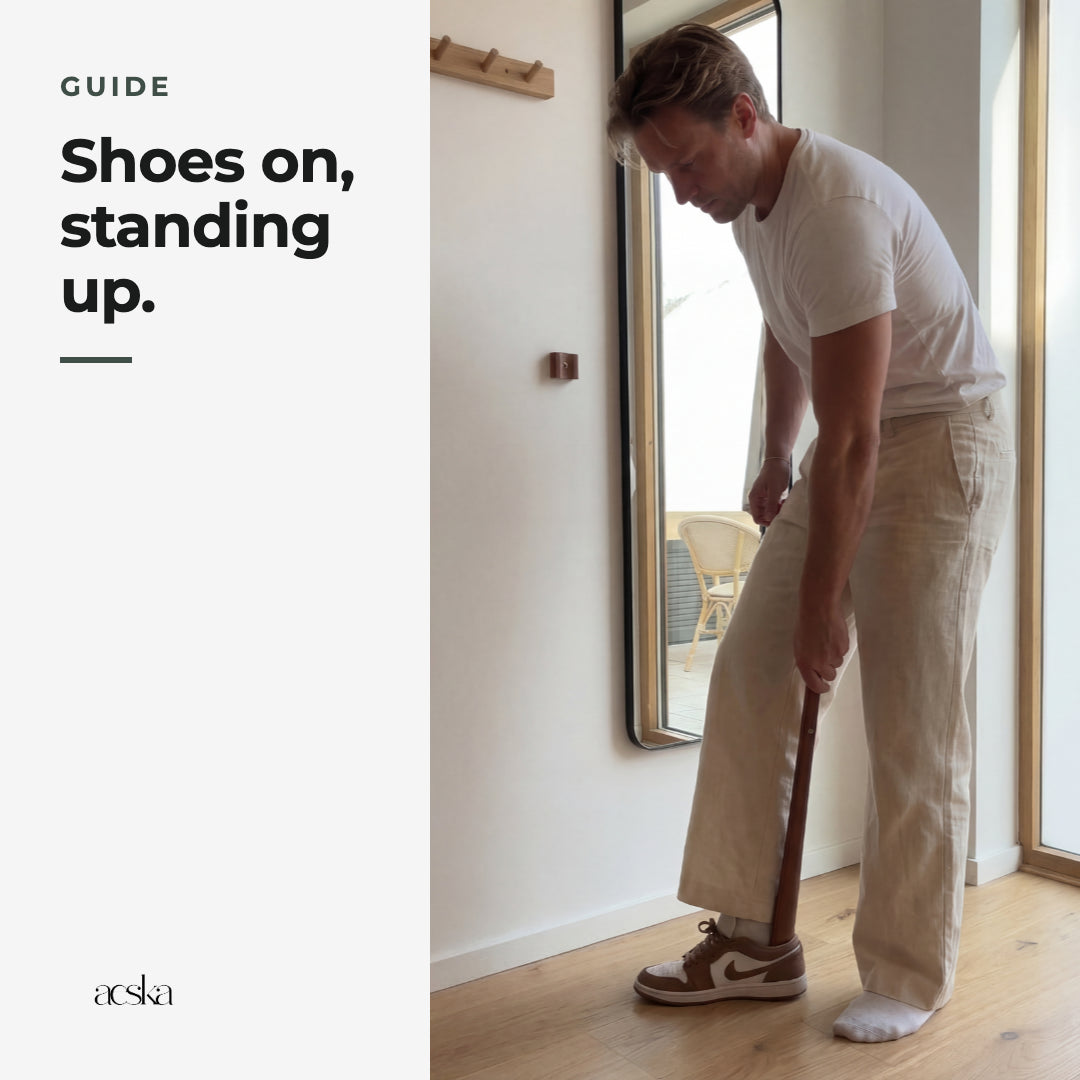
A shoe horn does one simple job. It gives your heel a smooth surface to slide down, so your foot goes into the shoe without crushing the back of it. A long shoe horn does the same job while you stay standing.
How to use a long shoe horn
- Loosen the shoe. Open the laces or the strap enough for your foot to go in easily. A shoe horn is not for forcing a foot into a shoe that is too tight.
- Place the shoe horn inside the heel. Stand up straight, hold the handle and rest the curved end against the inside back of the shoe.
- Slide your foot in. Point your toes into the shoe and let your heel glide down along the shoe horn.
- Pull the shoe horn out. Once your heel is all the way down, lift the shoe horn straight up and out.
That is all. With a little practice it takes a few seconds per shoe.


Why length matters
A short shoe horn works, but you have to bend down or sit to use it. A long one reaches the shoe while you stand. The AESKA Magnetic Shoehorn is 53 cm (21 in) long for that reason: you hold the top and the other end is already at your heel.
That makes a difference if bending is uncomfortable for you, if your hallway has nowhere to sit, or if you simply want to get out of the door faster.

It also protects your shoes
The stiff part at the back of a shoe is called the heel counter. It keeps the shoe in shape and holds your heel in place. When you step on it or push your foot past it, it folds, and once it has broken down it does not go back.
People sometimes say you should just buy shoes that fit. A shoe horn is not about making tight shoes fit. Well-fitting shoes are the ones that sit close around the heel, and those are the ones that get damaged when you force your foot in. A shoe horn lets the heel slide in without bending anything.
Which shoes does it work with?
- Leather shoes and dress shoes
- Sneakers and trainers
- Loafers and slip-ons
- Ankle boots and most winter boots, as long as the shoe horn reaches down to the heel

For tall boots that are hard to take off, a boot jack helps with the other half of the job.
Wood, plastic or metal?
Thin plastic shoe horns are cheap, but many people tell us theirs cracked or ended up lost in a drawer. Metal lasts and feels cold. Solid wood is smooth against a sock, strong enough for daily use and nice enough to leave out, which matters more than it sounds: a shoe horn only helps if you can find it.
Keep it where you put your shoes on
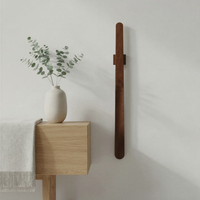
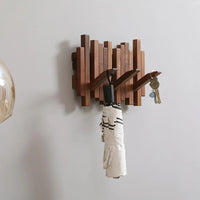
Most shoe horns end up at the bottom of a wardrobe. Ours hangs on the wall on a small magnetic mount, right by the door, so it is in the same place every time. You use it and click it back.

See the AESKA Magnetic Shoehorn, in solid beechwood and four colours, or read how to mount it on the wall without drilling.